Introduction
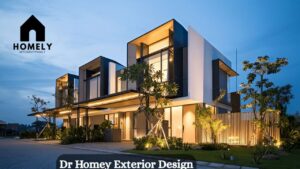
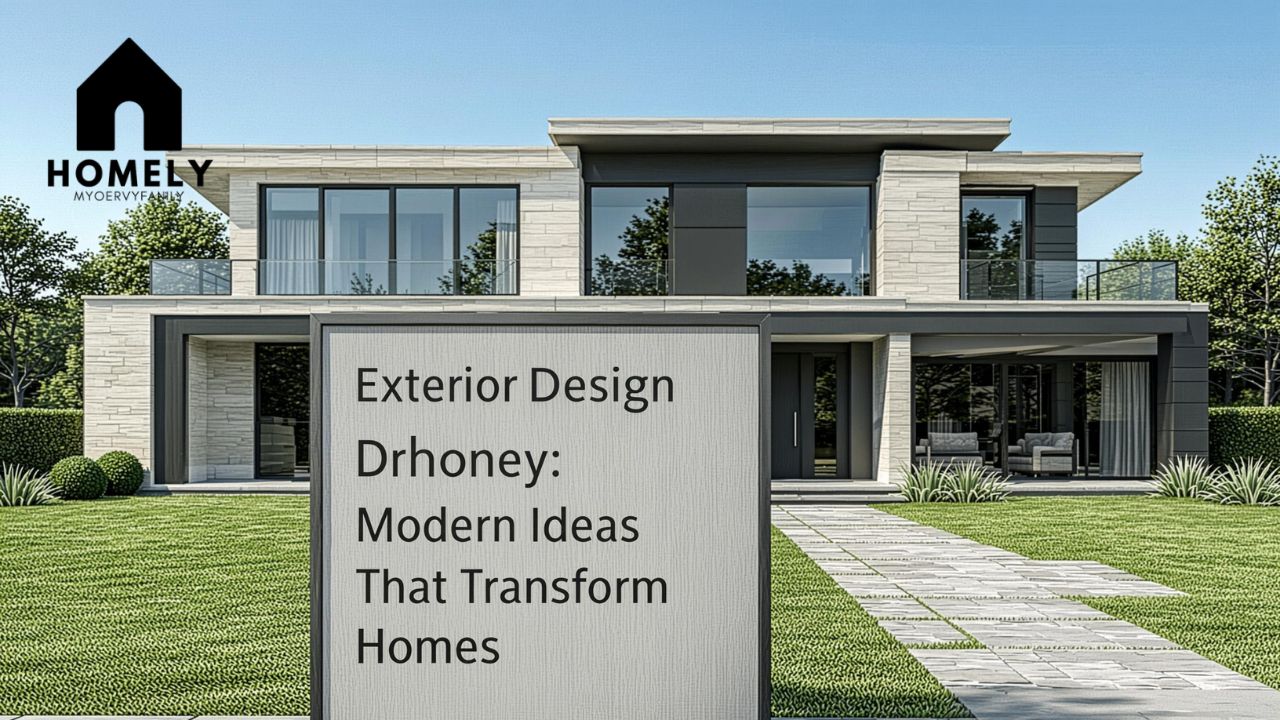
The outside of your home speaks long before anyone steps inside. It hints at your personality, your priorities, and even how you care for your space. That’s why exterior design drhomey has quietly become a go-to reference for homeowners who want more than just a “nice-looking” house—they want a memorable one.
In reality, exterior design isn’t just about paint colors or fancy doors. It’s about balance, function, emotion, and long-term value. When done right, it can make your home feel welcoming on the toughest days and impressive without trying too hard.
If you’ve ever stood across the street, squinting at your own house, thinking “Something feels off,” you’re not alone. This guide breaks down exterior design drhomey in a way that feels practical, human, and achievable—whether you’re renovating or starting fresh.

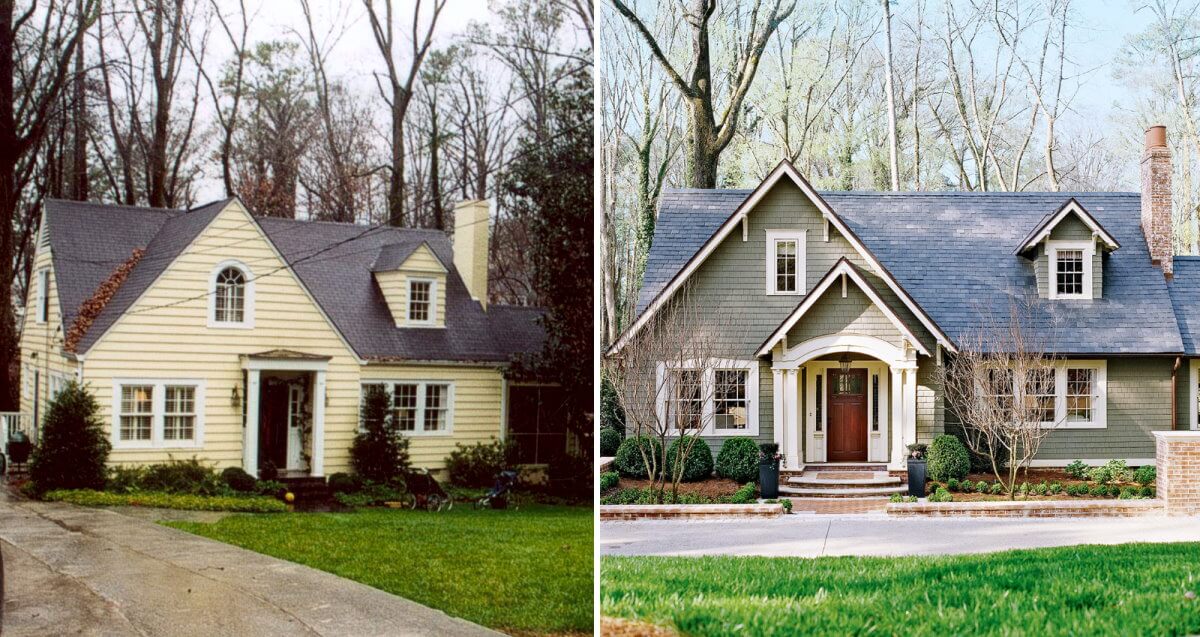
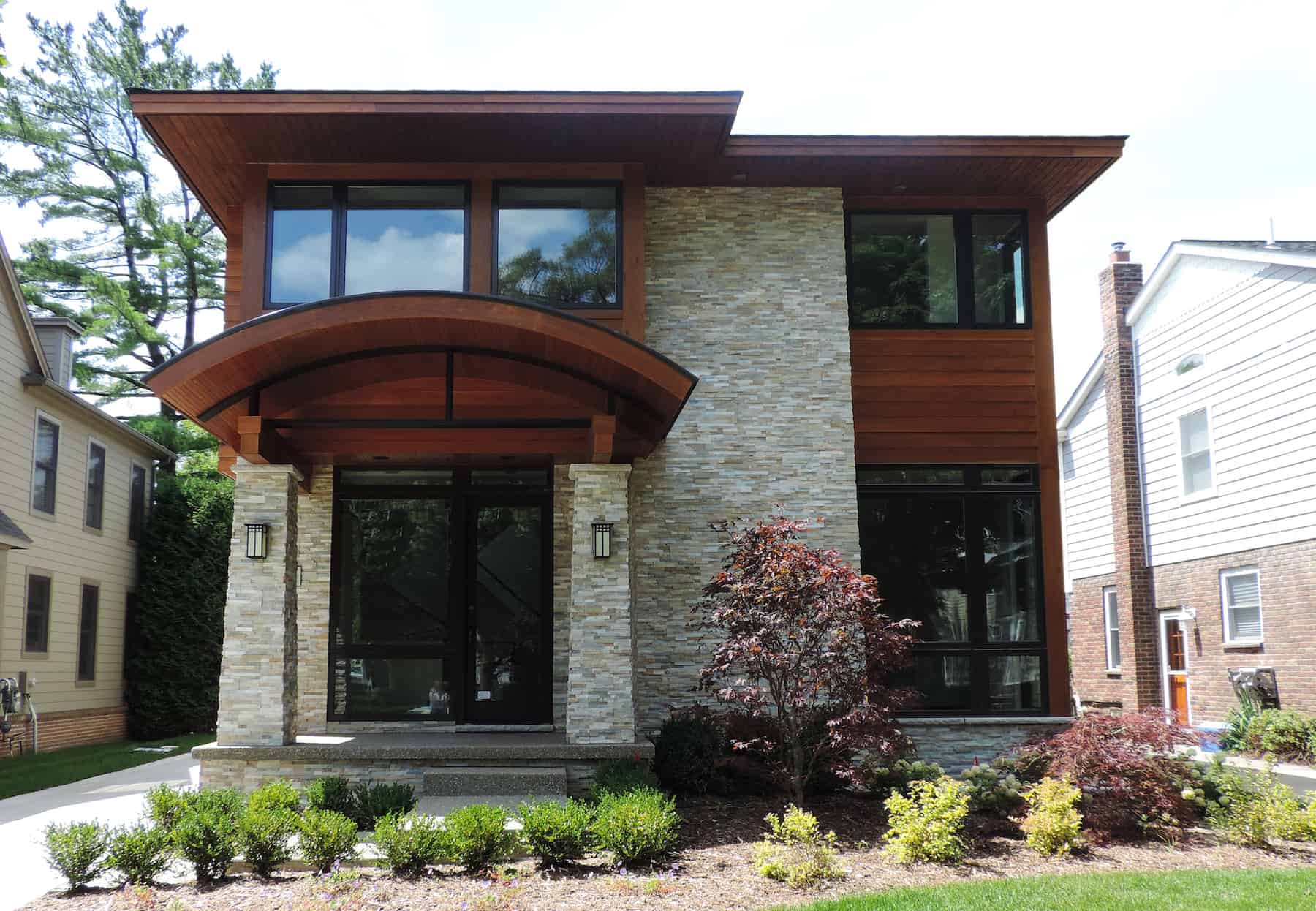
Table of Contents
What Exterior Design DrHomey Really Means
Why Exterior Design Matters More Than You Think
Core Principles Behind Exterior Design DrHomey
Materials and Finishes That Define the Look
Color Psychology in Exterior Design
Landscaping and Outdoor Elements
Modern vs Traditional: Finding Your Style
Sustainability and Smart Exterior Choices
Cost, Value, and ROI Considerations
Personal Background and Growth of DrHomey
Common Mistakes to Avoid
Frequently Asked Questions
Conclusion
What Exterior Design DrHomey Really Means
Exterior design drhomey isn’t a rigid formula or a trend-chasing system. At its core, it’s an approach that blends architectural logic with real-life living. The focus is on designing exteriors that age well, function smoothly, and still feel personal.
Rather than overloading a façade with decorative elements, this approach prioritizes:
- Clean lines that guide the eye naturally
- Materials that weather gracefully over time
- Thoughtful transitions between indoors and outdoors
That said, it’s not about minimalism for the sake of it. Homes designed with this philosophy can be bold, warm, or understated—but never careless.
Why Exterior Design Matters More Than You Think
First impressions aren’t shallow; they’re human. Studies in real estate consistently show that strong curb appeal can increase a home’s perceived value by 7–12%. However, the emotional value often outweighs the financial one.
Imagine coming home after a long day. A well-designed exterior can:
- Reduce visual stress
- Create a sense of arrival
- Make everyday routines feel intentional
On the other hand, neglected or mismatched exteriors quietly drain satisfaction. In many cases, homeowners don’t realize how much their exterior affects their mood until it changes.
Core Principles Behind Exterior Design DrHomey
Balance and Proportion
Every successful exterior starts with balance. Windows, doors, rooflines, and materials should feel proportionate. Oversized features can overwhelm, while undersized ones fade into the background.
“Discover stylish home ideas, smart decor solutions, and practical living tips with Decoradyard Tip and TechoElite Homes. Transform your space into a beautiful, comfortable, and modern home today.”
Function Before Decoration
A beautiful porch that leaks or siding that traps moisture will age poorly. Exterior design drhomey emphasizes performance—drainage, airflow, durability—before visual flair.
Cohesion Across Elements
Roof color, wall finishes, trims, lighting, and landscaping should speak the same design language. Contrast is welcome, chaos is not.
Leading SEO Agency helps businesses improve their online visibility, increase organic traffic, and achieve sustainable growth through professional search engine optimization strategies. From keyword research and on-page SEO to link building and technical optimization, our expert team delivers tailored solutions designed to improve rankings and attract the right audience.
Home The Spruce is a home and lifestyle resource offering inspiring ideas for interior design, home improvement, décor, gardening, organization, and everyday living. Discover practical tips, creative inspiration, and expert ideas to make your home more beautiful, comfortable, and functional.
Materials and Finishes That Define the Look
Material choice often separates timeless homes from trendy ones. Popular options within exterior design drhomey projects include:
| Material | Strength | Best Use Case |
|---|---|---|
| Natural Stone | Durability, texture | Foundations, accents |
| Fiber Cement | Low maintenance | Modern facades |
| Wood (treated) | Warmth, character | Entryways, soffits |
| Metal Panels | Clean, modern lines | Contemporary homes |
| In reality, mixing materials thoughtfully often creates the most compelling results. |
Color Psychology in Exterior Design
Color isn’t just visual—it’s emotional. Soft neutrals often feel calm and inviting, while darker palettes project confidence and modernity.
Within exterior design drhomey, popular color strategies include:
- Earth tones to blend with surroundings
- High-contrast trims for architectural clarity
- Muted accents instead of loud highlights
However, climate matters. Dark colors absorb heat, while lighter tones reflect it. A smart palette respects both aesthetics and environment.
Landscaping and Outdoor Elements
An exterior doesn’t stop at the walls. Walkways, lighting, and greenery complete the story.
Key outdoor considerations:
- Path lighting for safety and atmosphere
- Native plants for lower maintenance
- Defined entry zones that guide movement
In many projects, subtle landscaping upgrades deliver more impact than major structural changes.


Modern vs Traditional: Finding Your Style
One of the most common questions is whether exterior design drhomey leans modern or traditional. The answer is both—and neither.
Modern designs emphasize simplicity and contrast. Traditional styles lean on symmetry and ornament. The sweet spot often lives in between:
- Modern forms with traditional materials
- Classic shapes with contemporary colors
This hybrid approach tends to age better and appeal to a broader audience.
Sustainability and Smart Exterior Choices
Sustainable design isn’t just ethical; it’s practical. Energy-efficient windows, reflective roofing, and durable cladding reduce long-term costs.
Exterior design drhomey projects often incorporate:
- Recycled or low-impact materials
- Rainwater management systems
- Shading structures to reduce cooling loads
Over time, these choices pay for themselves—financially and environmentally.
Cost, Value, and ROI Considerations
Exterior renovations vary widely in cost. Minor updates like paint and lighting might cost a few thousand dollars, while full redesigns can reach six figures.
Average ROI insights:
- New siding: up to 80% return
- Entry door replacement: 75–90%
- Landscaping upgrades: 100%+ perceived value
That said, emotional ROI—pride, comfort, confidence—often outweighs spreadsheets.
Personal Background and Growth of DrHomey
DrHomey began as a small-scale design concept focused on approachable home improvements. Over time, it evolved into a recognizable philosophy centered on livable design rather than showroom perfection.
The career journey behind the name reflects:
- Years of hands-on residential projects
- A focus on homeowner education
- Consistent emphasis on realistic budgets
While exact financial figures remain private, industry estimates suggest the brand’s net worth has grown steadily through consulting, digital content, and partnerships—largely driven by trust rather than hype.
Common Mistakes to Avoid
Even well-intentioned projects can go wrong. Common pitfalls include:
- Ignoring climate and weather patterns
- Choosing trendy materials without longevity
- Overdecorating the façade
- Forgetting lighting in the design phase
Avoiding these mistakes keeps exterior design drhomey projects grounded and durable.
Frequently Asked Questions
FAQ
What makes exterior design drhomey different from other styles?
It focuses on long-term livability, not short-term trends, balancing aesthetics with performance.
Is this approach suitable for small homes?
Absolutely. In fact, smaller homes benefit greatly from cohesive exterior planning.
How often should exterior designs be updated?
Minor updates every 5–7 years, major overhauls every 20–30 years.
Does exterior design affect resale value?
Yes. Homes with strong curb appeal often sell faster and at higher prices.
Are sustainable materials more expensive?
Initially, sometimes yes. Long-term savings usually offset the upfront cost.
Can I apply these ideas without a full renovation?
Definitely. Lighting, color, and landscaping alone can transform an exterior.
Is professional help necessary?
While DIY works for small changes, professional guidance prevents costly mistakes.
Conclusion
Great exterior design doesn’t shout—it resonates. Exterior design drhomey proves that thoughtful choices, honest materials, and human-centered planning can turn ordinary houses into places that feel right. Whether you’re dreaming, planning, or already building, the exterior of your home deserves the same care as the life lived inside it.