
Introduction
A vacuum that suddenly stops working can turn a simple cleaning routine into a frustrating mystery. One of the most common causes is a blown fuse—but finding the shark vacuum fuse location can feel confusing if you’ve never opened or inspected a vacuum cleaner before.
Many Shark vacuum owners assume the machine is completely broken when it fails to power on. In reality, the problem may be a small safety component designed to protect the motor. Understanding where the fuse sits and how it works can save time, money, and the hassle of replacing an otherwise perfectly good appliance.
If your vacuum has stopped working or refuses to start, learning about the shark vacuum fuse location could be the key to solving the problem quickly. This guide explains how fuses work, where they’re usually located, how to inspect them safely, and what to do if one needs replacing.
Understanding the Role of a Vacuum Fuse
Vacuum cleaners contain several electrical safety mechanisms, and the fuse is one of the most important.
A fuse protects the motor and internal wiring from electrical overload. When excessive current flows through the system, the fuse “blows” to break the circuit. This prevents overheating, motor damage, or potential fire hazards.
Without a fuse, a vacuum motor could easily burn out when the machine experiences:
- Power surges
- Blocked airflow
- Motor overload
- Electrical faults
Instead of damaging expensive components, the fuse sacrifices itself.
In many cases, locating the shark vacuum fuse location and replacing the small component restores the machine to full working condition.
Discover unique Goth Home Decor ideas at seedsheets.org, featuring dark elegance, vintage charm, and modern gothic style inspiration.
Where Is the Shark Vacuum Fuse Located?
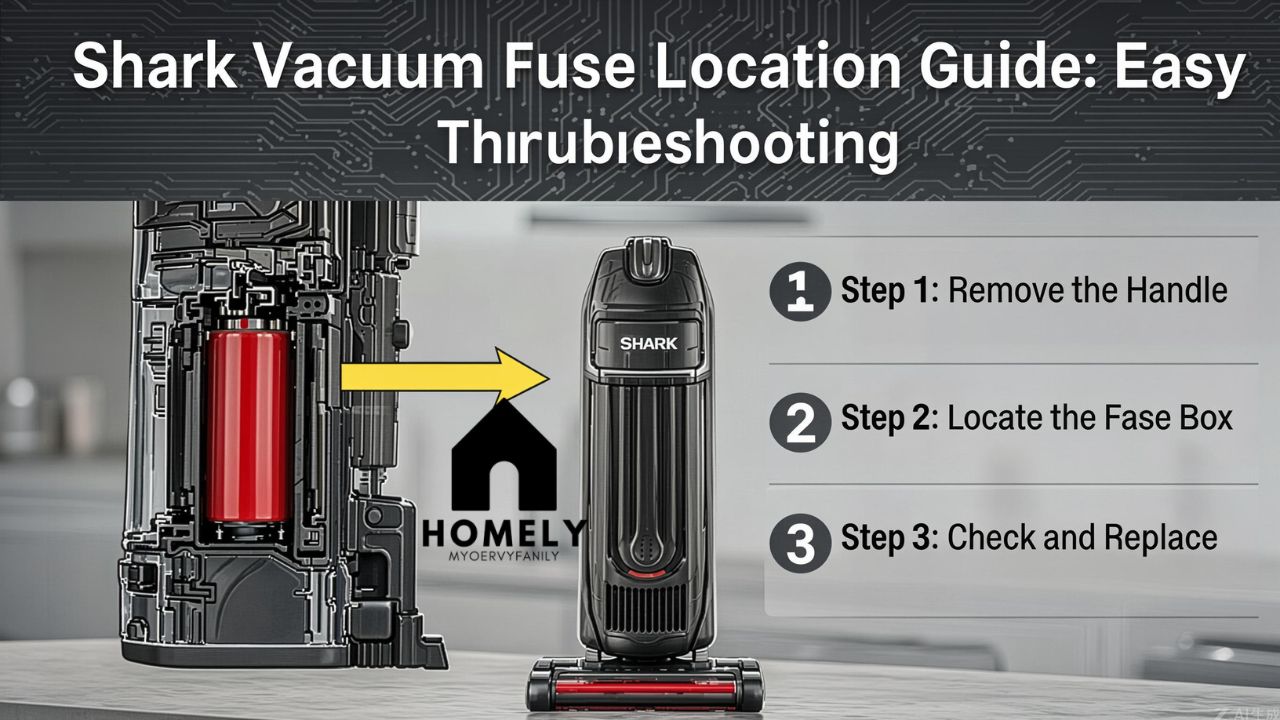
The shark vacuum fuse location varies depending on the model. However, most Shark vacuum cleaners place the fuse in one of three common areas.
Inside the Plug
Many Shark models include a fuse inside the electrical plug, especially in regions that use fused plugs such as the UK.
In these vacuums, the fuse sits behind the removable plug cover. If the vacuum suddenly stops powering on, checking this fuse is often the first step.
Inside the Power Cord Housing
Some models house the fuse inside the cord entry point where the cable connects to the vacuum body.
This design protects the entire appliance from electrical surges coming through the power line.
Near the Motor Assembly
In certain upright models, the fuse is positioned near the motor inside the main body of the vacuum.
Manufacturers sometimes hide it under a small panel secured with screws. Access usually requires basic tools and careful handling.
Because designs differ, always consult the user manual to confirm the exact shark vacuum fuse location for your specific model.
How to Safely Access the Fuse
Before inspecting any electrical component, safety should always come first.
Never attempt to open or examine a vacuum cleaner while it is connected to power.
Follow these steps before checking the shark vacuum fuse location.
- Unplug the vacuum completely
- Allow the machine to cool if it was recently running
- Use proper tools such as screwdrivers if panels must be removed
- Work in a well-lit space
- Keep screws and parts organized
Once the vacuum is safely disconnected, you can begin locating the fuse.
Step-by-Step Guide to Checking the Fuse
Once you know the approximate shark vacuum fuse location, inspecting it is straightforward.
Step 1: Identify the Fuse Compartment
Look for:
- A removable plug cover
- A small fuse holder
- A panel near the motor
The fuse usually appears as a small glass or ceramic cylinder.
Step 2: Remove the Fuse
Use a screwdriver or fuse puller to remove it gently.
Avoid forcing it out because this could damage the holder.
Step 3: Inspect the Fuse
Look for signs of damage such as:
- Broken filament inside the fuse
- Burn marks
- Discoloration
- Melted metal ends
If any of these signs are visible, the fuse is likely blown.
Step 4: Test With a Multimeter
If the fuse looks intact, use a multimeter to test continuity.
A working fuse allows electrical current to pass through. If there is no continuity, the fuse has failed.
Why Vacuum Fuses Blow
Understanding why a fuse fails can help prevent the problem from happening again.
Most blown fuses result from excessive electrical load or overheating.
Common Causes
Several everyday issues can cause the fuse to blow.
Blocked airflow
Hair, dust, and debris can clog the hose or brush roll, forcing the motor to work harder.
Full dust bin
When airflow becomes restricted, the motor overheats.
Worn power cord
Damaged wiring can create electrical faults.
Power surges
Electrical spikes from outlets or storms may trigger fuse failure.
When you locate the shark vacuum fuse location and replace a blown fuse, always check for these underlying issues.
Replacing a Shark Vacuum Fuse
Replacing a fuse is usually inexpensive and simple.
Tools You May Need
- Small screwdriver
- Replacement fuse
- Multimeter (optional)
Replacement Steps
- Turn off and unplug the vacuum
- Access the shark vacuum fuse location
- Remove the blown fuse
- Insert a replacement with identical rating
- Reassemble the vacuum
- Test the machine
Using the correct fuse rating is critical.
Installing the wrong type could damage the motor or create safety hazards.
Always match:
- Voltage rating
- Amp rating
- Fuse type
Signs Your Vacuum Fuse May Be Blown
Several symptoms suggest a fuse issue.
No Power at All
If the vacuum shows no lights or sounds, the fuse may have interrupted power.
Sudden Shutdown During Use
If the vacuum stopped working abruptly while cleaning, the fuse might have blown due to overload.
Burning Smell
A burnt odor sometimes accompanies a blown fuse or overheating motor.
Power Cord Feels Warm
Excess heat can indicate electrical strain that may trigger fuse failure.
Checking the shark vacuum fuse location is often the quickest way to diagnose these problems.
Maintenance Tips to Prevent Fuse Problems
Preventing fuse failures helps extend the life of your vacuum.
Keep Airflow Clear
Regularly clean:
- Brush rolls
- Filters
- Hoses
Empty the Dust Bin Frequently
Overfilled bins reduce airflow and strain the motor.
Inspect the Power Cord
Look for:
- Cracks
- Fraying
- Exposed wires
Use the Correct Outlet
Avoid overloaded extension cords or power strips.
Follow Manufacturer Cleaning Schedules
Routine maintenance reduces overheating and electrical strain.
By maintaining your vacuum properly, you reduce the chances of repeatedly searching for the shark vacuum fuse location.
Troubleshooting Other Power Issues
Sometimes the fuse isn’t the problem.
Other components could prevent the vacuum from turning on.
Faulty Power Switch
The switch might fail due to wear or internal damage.
Damaged Cord Reel
In models with retractable cords, internal wiring may break.
Motor Failure
A burnt motor will prevent the vacuum from running even if the fuse is intact.
Thermal Cutoff Activation
Some Shark models include thermal protection that temporarily shuts the machine off if it overheats.
If the vacuum still fails after checking the shark vacuum fuse location, deeper diagnostics may be required.
Frequently Asked Questions
What is the shark vacuum fuse location in most models?
The fuse is usually inside the electrical plug, within the power cord entry housing, or near the motor assembly depending on the model.
Do all Shark vacuums have a fuse?
Not every model includes an easily accessible fuse. Some rely on internal thermal protection instead.
How do I know if my vacuum fuse is blown?
A blown fuse often shows a broken filament, burn marks, or fails a multimeter continuity test.
Can I replace the fuse myself?
Yes. If you locate the shark vacuum fuse location, replacing it is usually simple with basic tools and the correct replacement fuse.
What fuse rating should I use?
Always match the original fuse rating listed in the vacuum manual or printed on the fuse itself.
Why does my vacuum keep blowing fuses?
Repeated failures usually indicate overheating, clogged airflow, or electrical wiring problems.
Is it safe to run a vacuum without a fuse?
No. The fuse protects the motor and wiring. Operating without one can cause severe damage.
Should I repair or replace the vacuum?
If replacing the fuse solves the issue, repair is worthwhile. However, repeated electrical failures may require professional service.
Conclusion
When a vacuum suddenly stops working, the issue isn’t always as serious as it seems. A small blown fuse can interrupt power to protect the machine from electrical damage.
Learning how to identify the shark vacuum fuse location allows homeowners to troubleshoot problems quickly and restore their vacuum without costly repairs. With careful inspection, the right replacement fuse, and proper maintenance habits, many common power issues can be resolved in minutes.
Understanding your vacuum’s internal safety components not only helps with repairs but also ensures the appliance operates safely for years to come.