For any business, leveraging positive customer experiences to secure new clients is vital. Customer reference software facilitates this process by automating the sharing of commendations and testimonials. Recent statistics show that customer testimonials can increase conversions on sales pages by up to 34%, demonstrating the importance of having a robust reference system in place.
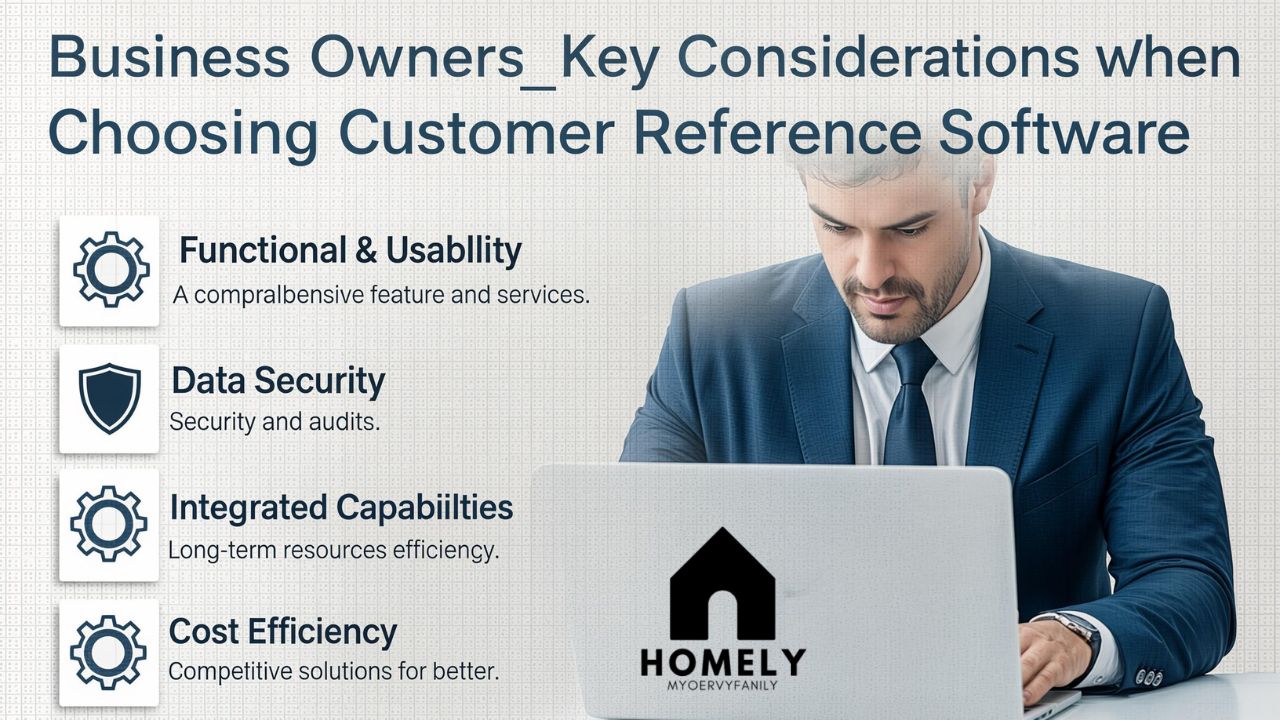
Choosing the appropriate software requires careful consideration of various factors, from functionality to user experience. Below, we explore some fundamental aspects to keep in mind while selecting customer reference software that complements your business dynamics.
Selecting the Right Customer Reference Software for Your Business Needs
When selecting customer reference software, the primary consideration is alignment with your business objectives. Whether your goal is to boost sales, improve customer retention, or enhance brand reputation, the software must cater to these aims. For instance, a company focused on visual products might prioritize software with strong capabilities in video testimonial management.
customer reference software Moreover, the scalability of the software is another critical aspect. As your business grows, your reference program will likely expand. Selecting software that can accommodate an increasing number of references and campaigns without a hitch ensures longevity and adaptability.
In practice, test the waters with a trial version or a demo if available. Evaluate the software’s ease of use, feature set, and if it meshes well with your existing workflows. Making an informed decision will help you choose a platform that can streamline your customer reference process effectively.
Evaluating the Integration Capabilities of Customer Reference Platforms
Successful customer reference programs often rely on seamless integration with other business software. The ability to connect with your CRM, marketing automation tools, and sales platforms is paramount. A well-integrated solution can provide a comprehensive view of customer interactions and expedite reference outreach.
Examining the API and plugin support can offer insights into how well the software will gel with your tech stack. Companies that utilize a diverse array of software systems should prioritize platforms known for their robust integration features—a key to maintaining efficiency and data accuracy across departments.
Research the software’s track record for updates and support for new integrations, as this will be indicative of the platform’s capability to evolve with technological advances. A visit to the software’s community forums or customer service can also provide valuable information on integration support.
Assessing the Security and Privacy Features in Customer Reference Software
The security and privacy features of customer reference software are non-negotiable, especially in an era where data breaches are common. A platform that prioritizes security can protect your customer data and your company’s reputation through compliance with regulations like GDPR and CCPA.
Look for platforms that offer detailed controls over data access, encryption in transit and at rest, and regular security audits. It’s also essential to understand the provider’s policies in the event of a data breach and what measures they have in place to mitigate such risks.
Take the initiative to inquire about the software’s compliance certifications and inquire detailed information about their security infrastructure. An informed choice will help prevent potential legal and financial repercussions that could arise from compromised customer data. General Data Protection Regulation considerations should not be overlooked when choosing software handling sensitive information.
Considering User Experience and Support When Choosing Customer Reference Tools
The user experience (UX) of the customer reference software influences the adoption rate among your team. If the platform is difficult to navigate or clunky, it may hinder your reference initiatives rather than support them. Thus, choosing a tool with an intuitive interface and streamlined processes is key to successful deployment.
Additionally, the level of customer support provided by the software vendor can be a dealbreaker. Look for services offering multiple support channels like email, chat, and phone, and assess the timeliness and quality of their support based on user reviews.
Before committing, gauge the software’s effectiveness by arranging for comprehensive training sessions for your team. This pre-emptive approach can significantly reduce the learning curve and enhance the overall user experience. Support should not just be responsive but proactive, with a focus on customer service quality.
Ultimately, the right customer reference software is one that aligns with your business goals, integrates seamlessly with your existing technology, upholds stringent security measures, and prioritizes user experience and support. Putting these considerations at the forefront of your decision-making process can lead to enhanced sales, a stronger brand reputation, and a more robust overall business strategy. Choosing wisely is not just about managing references; it’s about adding a strategic asset to your business tools.