
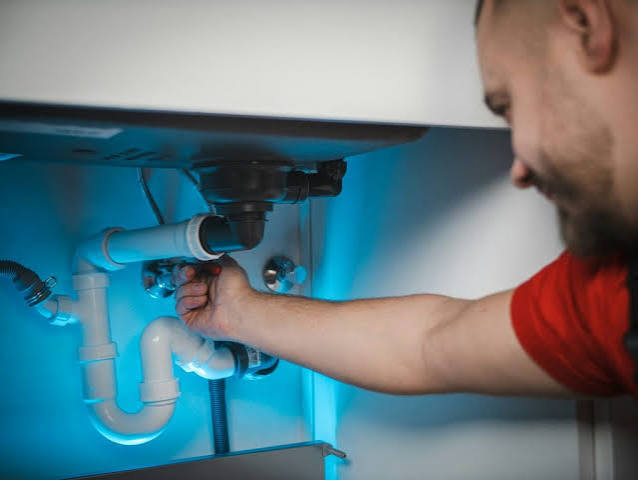
Homeowners often face plumbing issues that disrupt daily life, from leaky faucets to clogged drains. Addressing these problems promptly is crucial to prevent further damage and costly repairs. Whether you’re dealing with minor inconveniences or major emergencies, finding a reliable plumber can make all the difference. This article will explore common plumbing issues and their solutions, the benefits of hiring a local expert, tips for locating a trustworthy plumber, and the importance of emergency plumbing services. Our goal is to ensure your home remains functional and safe, giving you peace of mind.
Common Plumbing Problems and Their Quick Fixes
Plumbing issues can range from simple to complex, but many have straightforward solutions. For instance, a running toilet can often be fixed by replacing the flapper, a small rubber piece that controls water flow. Regularly checking your home’s plumbing with a Home Safety Checklist can help identify potential problems before they escalate. Additionally, homeowners should consider installing an Indoor Air Quality Monitor to detect excess moisture that could lead to mold growth. Leaky pipes, another common issue, can often be repaired by tightening joints or replacing worn-out seals. For more extensive problems, such as persistent clogs or low water pressure, hiring a professional is advisable to ensure a thorough fix.
Why Hiring a Local Plumber Near Me is Essential
Opting for a local plumber offers several benefits, including faster response times and familiarity with regional plumbing codes. Local experts are also more accessible for follow-up visits, ensuring that any issues are resolved efficiently. A Home Energy Audit can reveal inefficiencies in your plumbing system, and a skilled plumber can implement solutions tailored to your specific needs. Moreover, local plumbers often have established reputations within the community, providing peace of mind through verified customer reviews. When you search for a Plumber Near Me, you can access professionals with the necessary expertise to handle any plumbing issue.
How to Find a Reliable Plumber in Your Area
Finding a trustworthy plumber involves more than just a quick online search. Begin by asking friends or neighbors for recommendations, as word-of-mouth referrals are valuable. Look for professionals with certifications such as Green Building Certification, which indicates a commitment to environmentally responsible practices. Additionally, check online reviews and ratings to gauge customer satisfaction. You can also consult a Home Staging Specialist to ensure your plumbing systems are up to standard before selling your home. Remember, a reliable plumber should provide transparent pricing, offer warranties on their work, and be readily available for consultations.
Emergency Plumbing Solutions for Immediate Assistance
Certain plumbing issues require immediate attention to prevent significant damage, such as burst pipes or sewer backups. In these cases, having access to emergency plumbing services is vital. Professionals equipped with Property Maintenance Management Software can quickly assess and address urgent problems. When selecting a service, choose a provider with 24/7 availability and a proven track record of handling emergencies efficiently. Additionally, installing a Smart Thermostat Integration can help monitor water temperature and pressure, providing early alerts for potential issues. Having a local emergency plumber on standby ensures you can quickly resolve critical problems, safeguarding your home and family.
Conclusion
Dealing with plumbing issues can be daunting, but with the right support, they can be resolved swiftly and effectively. Hiring a local plumber ensures you receive timely and experienced service tailored to your home’s needs. By understanding common problems, identifying reliable professionals, and having emergency solutions in place, you can maintain a safe and functional household. Prioritizing these measures offers peace of mind, knowing your home is well-protected against plumbing mishaps.