With every dream project there needs to be a budget discussed well before anything starts. It will be determined quickly that everything you want alongside your bucket rarely aligns. The more elaborate the designs are and the plans are, the more the cost may rise. Materials that deliver structural integrity might not match your visual vision. The real skill lies in understanding how to navigate these competing priorities without sacrificing any of them entirely.
Understanding Material Costs
The choice of material does drastically impact on the overall cost of the project, but they also directly impact on the integrity of the project and how long something built will last. Each material choice creates a cascading effect through your project. Choosing steel instead of traditional wood might increase structural budget by 15% but allow you to eliminate other material costs within the project, potentially opening up floor plans and reducing interior partition costs. The most expensive material choice isn’t always the worst financial decision when you account for these secondary effects.
How Design Directly Impacts Material Needs and Costs
Design decisions do make a drastic affect on the overall cost, not only for the amount of materials used but also for any additional accessories, tools or labor you may need to complete the project.
A straightforward structure costs less to build than one with numerous curves and geometric complexity. However, that rectangular box might look boring while the complex design creates visual interest and character. This is where strategic choices matter. You can incorporate aesthetic complexity in specific locations while keeping overall structure economical.
An arch building look can be achieved through prefabricated structures. Consider styles like Quonset Arch buildings that are not only practical, but they take the guess work out of the work and material needed to complete a full structure. Prefabricated structures are customizable as well, so if you are looking for additional features in your home project like climate control, it is available to look into adding.
A plain concrete exterior wall becomes interesting with textured panels, decorative elements, or color treatments that add minimal structural cost. A simple rectangular building gains character through entry design, window patterns, or material transitions. The structural system remains economical while the visual presentation feels sophisticated and intentional.
The Relationship Between Material Choice and Structural Integrity
This is a critical relationship to take into account throughout the entire process. A structure engineered with adequate material throughout performs reliably for decades. A structure built with insufficient material creates risk.
The goal is finding that sweet spot where materials are sufficient for their purposes without excess waste. Pressure treated wood costs less than cedar or composite materials but performs excellently for the appropriate applications. Using pressure treated wood for ground contact framing makes financial and structural sense. Using it for visible architectural elements where durability is critical for decades might be penny wise and pound foolish.
Material choice profoundly impacts maintenance costs over time. The higher initial material cost offsets dramatically through reduced maintenance expenses.
Aesthetic Impact of Structural Material Decisions
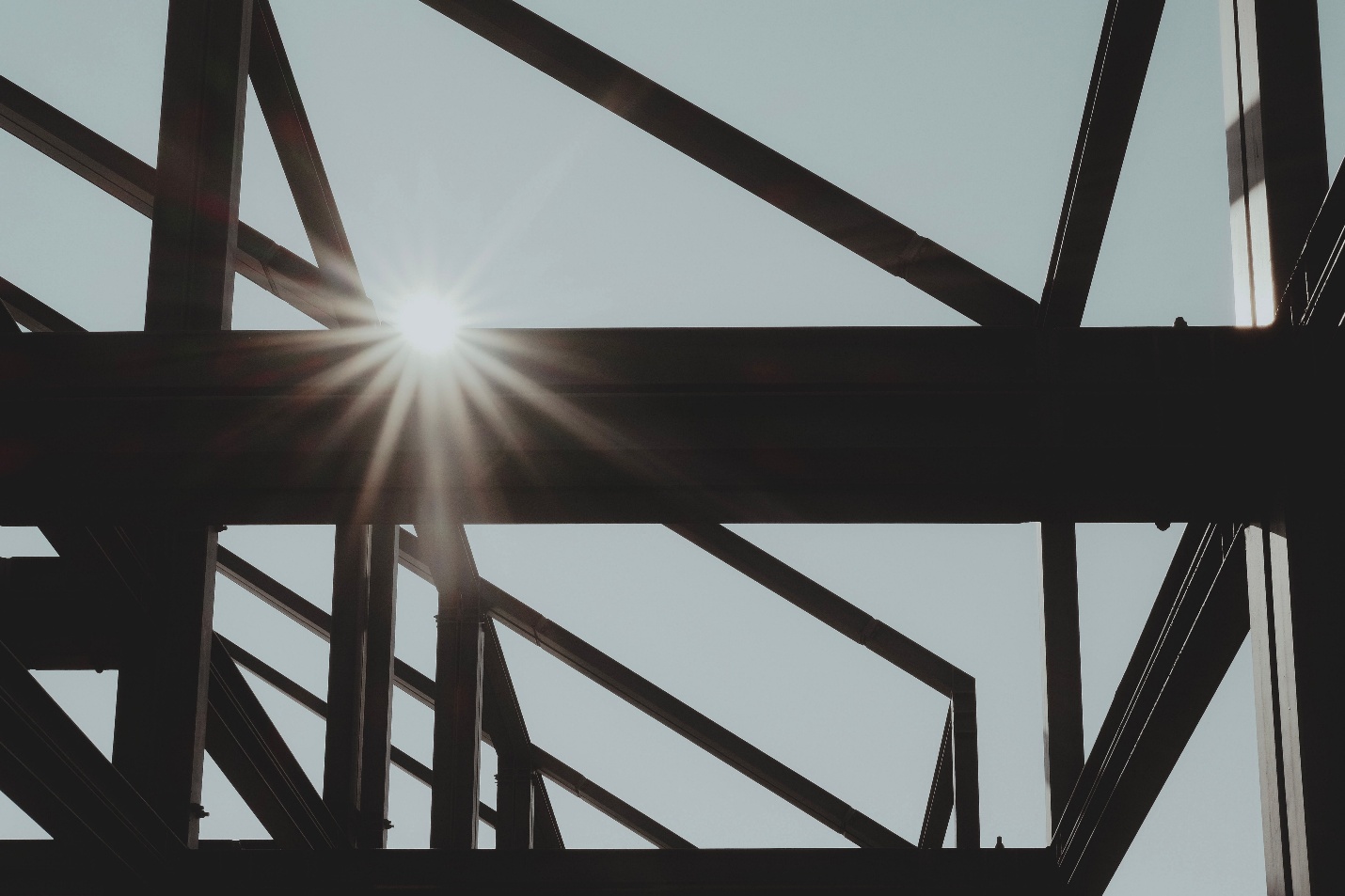
The structure itself often becomes aesthetic. Exposed beams create character. Ceiling heights and open spans influenced by structural choices define how spaces feel. Material honesty, where structural materials are visible rather than hidden, creates contemporary aesthetic appeal that feels authentic and purposeful.
Hiding structural elements behind carefully designed finishes comes at an additional cost and may not have as much as an impact on the overall design as an exposed frame might. Which is perfect if you are looking for a more natural and rustic overall look.
Sometimes there is a legitimate reason to conceal a structure. This may be due to mechanical systems, electrical wiring, or insulation which require an element of concealment.
The key is making intentional decisions about what to hide and what to celebrate. Exposed concrete with careful finish work looks intentionally industrial and contemporary. The same concrete carelessly finished and then drywalled, looks like cost cutting depending on your desired aesthetic.
Strategic Material Mixing for Budget and Beauty
Sophisticated design often mixes materials strategically. A building might feature expensive high-performance materials in visible primary locations while using economical materials in secondary areas. Premium stone or high-quality brick on the main facade transitions to less expensive cladding on sides and rear elevations. This approach delivers aesthetic impact where it matters most while managing overall costs. Structural systems benefit from this mixed approach too. Primary structural elements might feature premium materials engineered for decades of service. Secondary bracing or non-critical components use appropriate economy options. The overall structure performs perfectly because critical elements are engineered correctly, while projects remain financially feasible.
Having a clear aesthetic goal and knowledge on material to get the best of both worlds on look and structural integrity is key to building your dream structure. Whether you decide on metal structural elements or wood focused structures, the longevity of the projects materials and foundation does need to outweigh the overall aesthetic of a structure. Not entirely but a pretty design that lasts a mere few years is not worth the effort or money, meanwhile one that sacrifices certain aesthetic elements to meet budget but remain strong will last for a long time and can always be modified later down the line.