Home plumbing problems can range from minor inconveniences to full-blown emergencies. When a pipe bursts in the middle of the night or your water heater fails just before a holiday gathering, knowing whether to call an emergency Plumber or schedule a routine service can make all the difference in resolving the issue efficiently. This article explores the differences between emergency and routine plumbing services to help you make an informed decision when urgent issues arise in your home.
Emergency Plumber Services Explained
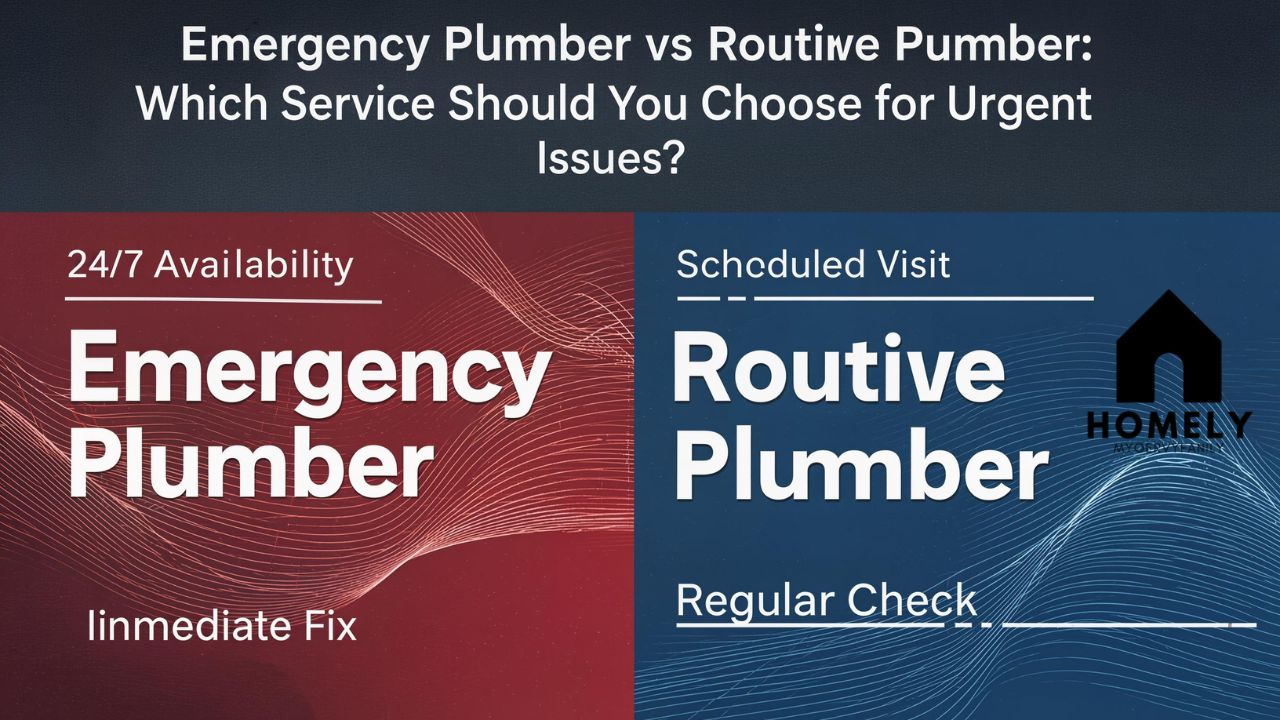
Emergency Plumbers specialize in providing immediate solutions to urgent plumbing problems. These services are available 24/7, allowing homeowners to address issues like severe leaks, overflowing toilets, or complete loss of water supply without delay. A key aspect of emergency plumbing is their rapid response time, which can prevent further damage to your home. For instance, if a pipe bursts, an emergency Plumber can quickly shut off the water supply and repair the damage, minimizing the risk of water damage and mold growth.
Moreover, emergency Plumbers often come equipped with specialized tools and equipment to handle complex problems. They are trained to assess and address situations swiftly, ensuring your home is back to normal as soon as possible. For example, if you’re dealing with a blocked drain, an emergency Plumber would use advanced tools like a hydro jet to clear the blockage effectively.
In cities with older infrastructure, such as Seattle, emergency plumbing services are particularly crucial. A Plumber in these regions can often prevent significant damage from aging pipes by addressing issues promptly.
Routine Plumbing Services and Their Importance
Routine plumbing services focus on regular maintenance and non-urgent repairs, playing a critical role in preventing emergencies. These services include inspections, pipe replacements, and addressing minor leaks. By scheduling regular maintenance, homeowners can avoid unexpected breakdowns and ensure the longevity of their plumbing systems.
Routine services are also essential for ensuring compliance with regulations such as Lead-Based Paint Disclosure, which mandates that plumbing systems in older homes do not pose health risks. Moreover, regular plumbing checks can incorporate Indoor Air Quality Assessments, ensuring that any plumbing-related issues do not contribute to poor air quality in the home.
Additionally, incorporating Universal Design Principles into routine plumbing updates ensures that homes are accessible and functional for individuals of all abilities, promoting a safer and more inclusive living environment.
Choosing Between Emergency and Routine Plumbing
Deciding between calling an emergency Plumber or scheduling a routine service often depends on the severity and timing of the issue. If a problem poses an immediate threat to your home or health, such as a gas leak or major water leak, contacting an emergency Plumber is the best course of action. Their rapid response can mitigate potential damage and ensure safety.
For non-urgent issues, like a slow-draining sink or minor faucet drip, scheduling a routine Plumber is typically more cost-effective and allows for thorough inspection and repair. This approach is especially beneficial for homeowners looking to maintain Green Building Certification, as it emphasizes efficient and sustainable home management practices.
Homeowners should also consider the potential impact on Homeowner Association (HOA) Bylaws, as some urgent issues may require immediate attention to comply with community standards and avoid penalties.
Factors to Consider for Urgent Plumbing Issues
When faced with an urgent plumbing issue, several factors should be considered to determine the appropriate response. First, assess the potential damage: does the issue threaten structural integrity or health, such as causing mold or water damage? If so, an emergency Plumber is necessary. Second, consider the timing: issues occurring after hours or during weekends may necessitate emergency services due to limited availability of routine Plumbers.
Additionally, the cost should be evaluated. Emergency services generally come at a premium, so weighing the potential costs against the urgency can guide your decision. Lastly, consider the long-term implications for your home. For instance, if an issue repeatedly arises, it might be worth conducting an Energy Audit Report to identify underlying factors affecting your plumbing system’s efficiency.
Conclusion
Understanding whether to call an emergency Plumber or opt for routine services can save time, money, and prevent extensive damage to your home. By evaluating the urgency and potential impact of plumbing issues, homeowners can make informed decisions that protect their property and ensure a safe living environment. This strategic approach to managing home plumbing needs not only addresses immediate concerns but also contributes to long-term maintenance and sustainability.