

Introduction
Living with an unfamiliar medical condition can feel overwhelming—especially when you don’t know what it means for your future. One of the most common and urgent questions people ask is, how long can i live with pavatalgia? It’s a natural concern, and you’re not alone in wondering about your life expectancy, daily comfort, and long-term health.
The uncertainty surrounding pavatalgia can spark fear. Is it life-threatening? Will symptoms worsen over time? Can it be treated effectively? These questions matter because they affect not only your physical health but also your mental well-being, relationships, and future plans.
In this in-depth guide, we’ll explore what pavatalgia is, how it affects the body, whether it impacts lifespan, and what you can do to maintain a full and meaningful life.
What Is Pavatalgia?
Pavatalgia is generally described as a chronic pain condition affecting specific nerve or muscular regions, often involving persistent discomfort that can range from mild irritation to severe pain. While terminology may vary depending on medical context, the defining feature is ongoing pain that interferes with daily activities.
Unlike acute pain—which signals immediate injury—chronic pain conditions such as pavatalgia can persist long after the original cause has healed. According to the concept of chronic pain described by World Health Organization, long-lasting pain can significantly impact quality of life, emotional stability, and functional ability.
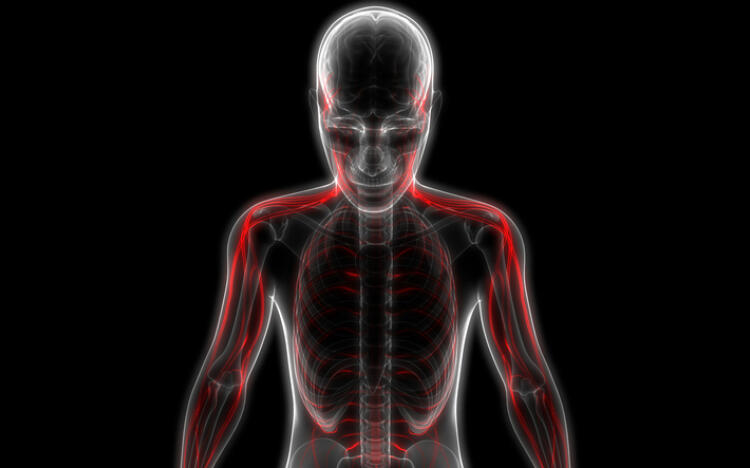


Symptoms may include:
- Persistent localized pain
- Burning or stabbing sensations
- Tingling or numbness
- Increased discomfort when sitting or moving
- Sleep disruption
Understanding these symptoms is the first step toward answering how long can i live with pavatalgia in a realistic and reassuring way.
Is Pavatalgia Life-Threatening?
For most individuals, pavatalgia itself is not directly life-threatening. Chronic pain conditions generally affect comfort and daily functioning rather than shortening lifespan.
However, long-term unmanaged pain can indirectly influence health in several ways:
- Increased stress hormones
- Poor sleep quality
- Reduced physical activity
- Risk of depression or anxiety
- Social withdrawal
Chronic stress and inflammation have been linked to broader health risks, but that doesn’t mean pavatalgia automatically reduces life expectancy. Instead, outcomes depend on underlying causes and how well the condition is managed.
How Long Can I Live With Pavatalgia?
The honest and reassuring answer is this: Most people with pavatalgia can live a normal lifespan.
When people search how long can i live with pavatalgia, they are often fearing worst-case scenarios. But pavatalgia is typically a quality-of-life issue—not a fatal disease.
Life expectancy depends on:
- The underlying cause of the pain
- Co-existing medical conditions
- Access to treatment
- Lifestyle habits
- Mental health support
If pavatalgia is related to nerve compression, muscular tension, or inflammation rather than a progressive disease, lifespan is generally unaffected.
That said, untreated chronic pain can reduce overall life satisfaction and functioning. So the real question becomes not just how long can i live with pavatalgia, but how well can I live?
Underlying Causes Matter
1. Nerve Irritation or Compression
This is often manageable with physical therapy, medication, or minor procedures.
2. Muscular Dysfunction
Tight pelvic or surrounding muscles can trigger pain. These cases often respond well to targeted therapy.


4
3. Inflammatory Conditions
If inflammation is involved, anti-inflammatory treatment and lifestyle changes may significantly improve symptoms.
4. Psychological Stress Amplification
Pain perception can intensify under stress. This doesn’t mean the pain is imaginary—it means the nervous system becomes hypersensitive.
Understanding the root cause helps doctors give a clearer answer to how long can i live with pavatalgia in your specific case.
How Chronic Pain Affects Life Expectancy
Research into chronic pain suggests that while pain itself doesn’t directly shorten lifespan, related factors can have an impact. These include:
- Reduced mobility leading to cardiovascular risks
- Opioid misuse in unmanaged pain
- Depression and associated health decline
For a deeper explanation of chronic pain mechanisms, see Wikipedia under chronic pain.
The key takeaway is proactive management. With structured care, individuals asking how long can i live with pavatalgia can feel reassured that longevity is typically preserved.
Treatment Options That Improve Long-Term Outcomes
Medication Management
- Anti-inflammatory drugs
- Nerve stabilizers
- Topical treatments
Physical Therapy
Specialized therapy can relieve muscle tension and improve nerve mobility.
Nerve Blocks or Procedures
In persistent cases, targeted injections may reduce pain significantly.
Psychological Support
Cognitive behavioral therapy can reduce pain amplification.


Lifestyle Adjustments
- Regular low-impact exercise
- Anti-inflammatory diet
- Sleep hygiene
- Stress reduction practices
When treatment is consistent, most patients find that the question how long can i live with pavatalgia becomes less urgent—because symptoms become manageable.
Mental Health and Pavatalgia
Chronic pain and emotional health are closely connected. Studies consistently show that:
- Depression increases pain sensitivity
- Anxiety amplifies nerve signals
- Isolation worsens perceived discomfort
Addressing mental health is not optional—it’s central to living fully with pavatalgia. Therapy, mindfulness, and social support can dramatically improve quality of life.
Can Pavatalgia Get Worse Over Time?
It depends on the cause.
If caused by mechanical irritation, symptoms may fluctuate but are often manageable. If tied to degenerative conditions, progression may occur—but treatment slows decline significantly.
Monitoring symptoms and maintaining medical follow-up is crucial.
Lifestyle Factors That Extend Healthy Living
If you’re asking how long can i live with pavatalgia, focus on these protective habits:
- Stay physically active
- Maintain a healthy weight
- Avoid smoking
- Limit alcohol
- Manage stress
- Build a support network
These factors contribute more to lifespan than the pain condition itself.
Frequently Asked Questions
FAQs
How long can i live with pavatalgia if untreated?
Untreated pavatalgia usually does not directly reduce lifespan, but unmanaged pain may increase stress and secondary health risks.
Is pavatalgia considered a serious disease?
It is considered a chronic pain condition rather than a fatal illness.
Can pavatalgia go away on its own?
Some cases improve with time and therapy, especially if muscular or nerve-related.
Does pavatalgia shorten life expectancy?
In most cases, it does not directly shorten lifespan.
Can lifestyle changes improve prognosis?
Yes. Exercise, stress management, and proper sleep greatly improve outcomes.
Should I see a specialist?
If pain persists beyond a few months, a neurologist or pain specialist is recommended.
Can mental health therapy help?
Absolutely. Pain perception is closely linked to emotional health.
Is surgery required?
Surgery is rare and only considered in specific structural causes.
Conclusion
Hearing a diagnosis linked to chronic pain can be frightening. But for most people, pavatalgia does not mean a shortened life. The more accurate and empowering perspective is this: you can live a full, meaningful, and potentially normal lifespan with proper care.
If you’re wondering how long can i live with pavatalgia, remember that life expectancy is rarely the issue. Quality of life is. With medical support, lifestyle adjustments, and emotional resilience, many people not only cope—but thrive.
Your condition may shape your journey, but it does not define your future.